



Niche Perfumes vs Designer Perfumes: What's the Difference?
Stand in front of any perfume counter and you'll notice two very different crowds. One group reaches straight for the familiar names, the big fashion houses everyone recognizes from magazines and billboards. The other group is quietly sniffing something unfamiliar, a bottle with a name they can barely pronounce, looking almost secretive about it. That second group has usually discovered niche perfumery, and once someone crosses over, they rarely go back to smelling like everyone else.
If you've ever wondered why some 50ml bottles cost noticeably more than a full 100ml bottle from a big fashion label or why some scents seem to disappear by lunchtime while others are still going strong at midnight, this guide is for you. We're breaking down the real difference between niche perfumes vs designer perfumes, so you can stop guessing and start buying with confidence.
Table of Contents
- What Are Designer Perfumes?
- What Are Niche Perfumes?
- Niche Perfumes vs Designer Perfumes: Key Differences
- Where Do Middle Eastern & Affordable Brands Fit In?
- Which Perfume Is Better: Niche or Designer?
- Why Are Niche Perfumes So Expensive?
- How to Choose Between Niche and Designer Fragrance
- Frequently Asked Questions
- Final Verdict
What Are Designer Perfumes?
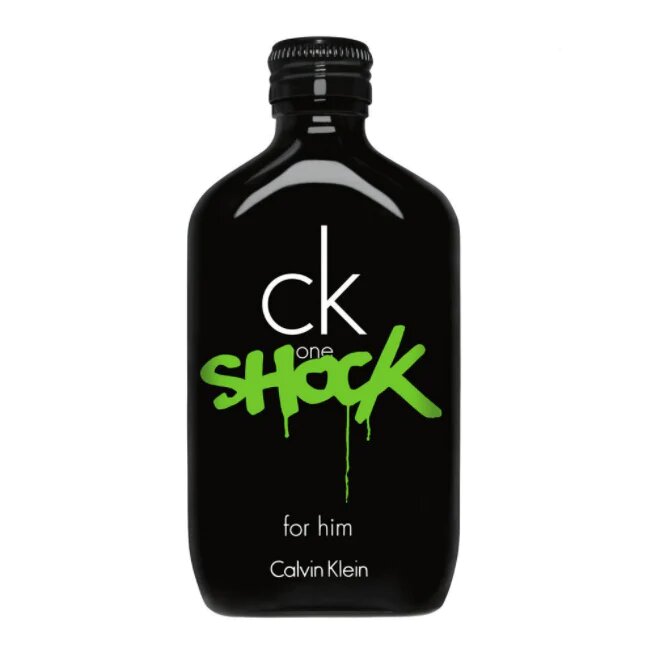
Designer perfumes are fragrances released under the name of a well-known fashion or luxury house. These houses usually started out making clothes, bags, or accessories, and fragrance became an extension of the brand's identity rather than its core craft. A handful of houses, however, built their entire legacy around fragrance itself. Azzaro is a good example, a French fashion house whose perfumes became more iconic than the runway pieces that started it all.
Because these are global fashion empires, designer perfumes are built for scale. A single release needs to be produced by the millions, distributed across hundreds of countries, and formulated to appeal to as broad an audience as possible. That's simply the business model: designer houses have perfected the art of making a fragrance instantly likeable, easy to wear to the office, and safe enough that it won't overwhelm a room.
A large part of the price you pay for a designer bottle also goes toward marketing celebrity campaigns, magazine spreads, and star-studded launch events. The juice inside is often good, sometimes excellent, but you're also paying for the logo and the story built around it.
What Are Niche Perfumes?
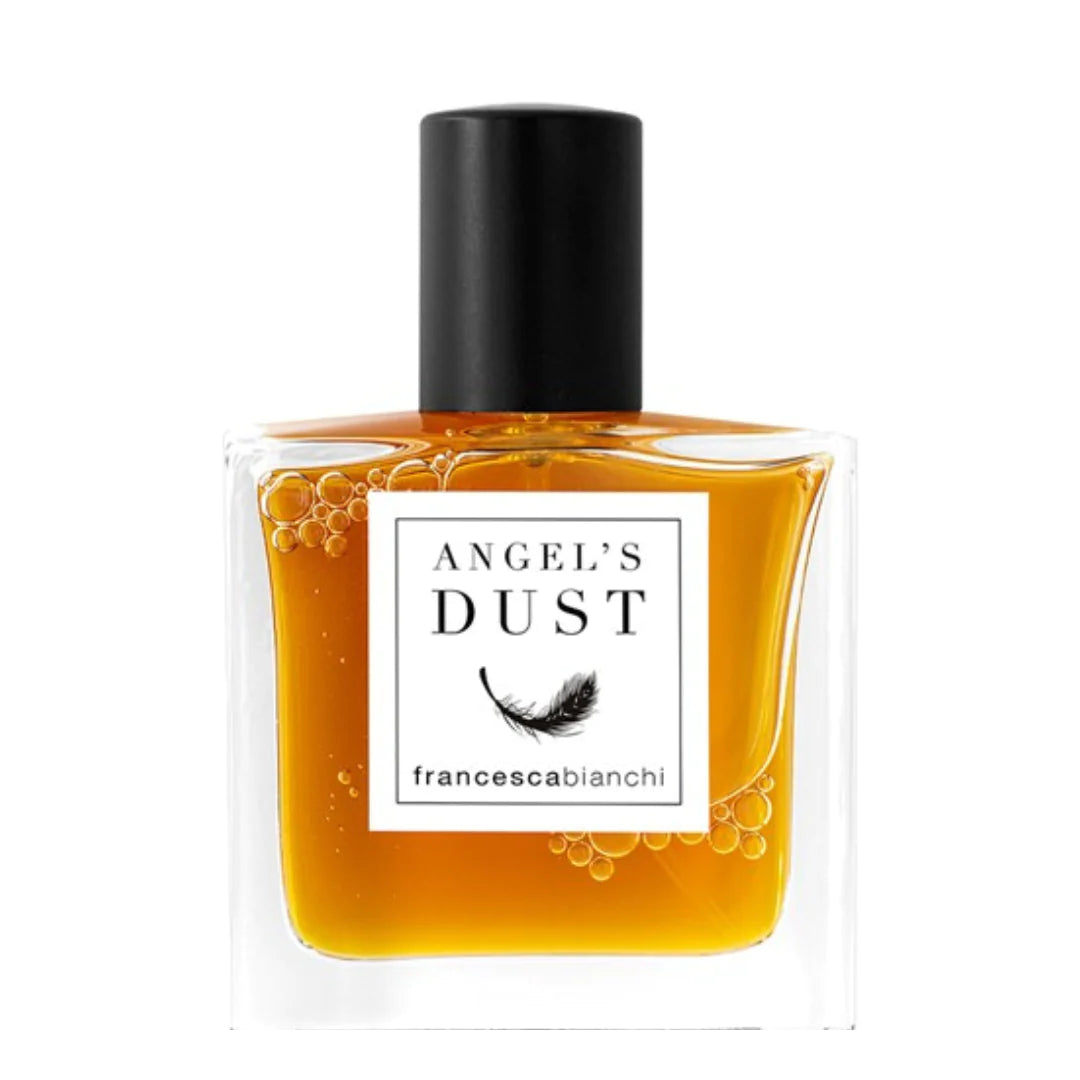
Niche perfumes come from smaller, independent perfume houses that exist purely to make fragrances, nothing else. There's no clothing line, no handbag collection, no billboard budget. The entire identity of the brand is built around scent, and that focus shows in the bottle.
This freedom lets niche perfumers experiment. They can use rarer, costlier raw materials like real oud, high-grade oud oil, rich amber resins, and exotic florals in concentrations that a mainstream brand simply couldn't afford at mass-market pricing. Batches are smaller, often made with more traditional methods, and the whole experience feels closer to craftsmanship than manufacturing. That's why niche fragrance is so often described as exclusive, artisanal, and made in small batches.
Niche Perfumes vs Designer Perfumes: Key Differences
This is really the heart of the comparison. Here's how the two categories stack up, side by side.
|
Factor |
Designer Perfumes |
Niche Perfumes |
|
Price Range |
Generally more affordable, wider range |
Premium to luxury pricing |
|
Ingredient Concentration |
Often EDT or standard EDP |
Frequently Extrait de Parfum or high-strength EDP |
|
Longevity & Sillage |
4–7 hours on average |
8–12+ hours, stronger projection |
|
Exclusivity |
Mass-produced, widely available |
Limited runs, harder to find on strangers |
|
Branding |
Celebrity-driven, fashion-house marketing |
Story and craftsmanship driven |
|
Packaging |
Polished, trend-focused |
Often minimal, artistic, collector-style |
|
Best For |
Everyday wear, office, casual use |
Signature scent, evenings, special occasions |
1. Price Comparison
This is usually the first thing people notice. Designer perfumes are priced to move volume, so you'll find excellent options across almost every budget. Niche houses, on the other hand, are working with pricier ingredients and smaller production runs to spread costs, which is exactly why niche bottles sit at the top end of the market.
2. Ingredient Quality & Concentration
Concentration matters more than most people realize. An Eau de Toilette (EDT) typically holds 5–15% fragrance oil, an Eau de Parfum (EDP) holds 15–20%, and an Extrait de Parfum (Pure Parfum) can go up to 30% or higher. Niche houses lean heavily toward EDP and Extrait formulations, while many designer releases stick to EDT or standard EDP for cost and comfort reasons. More oil concentration generally means a richer, more layered scent experience on skin.
3. Longevity & Sillage
Sillage is the "trail" a perfume leaves behind as you walk past someone. Because of their higher oil concentration and denser ingredient profile, niche perfumes typically last significantly longer and project further than most designer scents, which may start fading within four or five hours.
4. Exclusivity & Availability
Designer perfumes are sold in department stores worldwide, which means there's a real chance you'll walk into a room and find someone else wearing the exact same scent. Niche perfumes, produced in smaller batches and sold through fewer retailers, offer far more exclusivitya big part of their appeal for people who want a true signature scent.
5. Branding & Marketing
Designer houses lean on celebrity ambassadors and glossy campaigns. Niche houses lean on the story of the perfumer, the inspiration behind the scent, and the rarity of the ingredients. Neither approach is "better"; they're simply built for different kinds of buyers.
6. Packaging & Presentation
Designer bottles are usually sleek, trend-aware, and instantly recognizable on a shelf. Niche packaging tends to favor artistic or minimalist design, often feeling more like a collector's item than a retail product.
Where Do Middle Eastern & Affordable Brands Fit In?
Here's something worth clarifying, especially if you're shopping in Pakistan: not every fragrance house fits neatly into "niche" or "designer." Brands like Lattafa, Afnan, Rayhaan, Ahmed Al Maghribi, Khadlaj, and French Avenue sit in a category of their own they're not attached to a fashion house like designer perfumes, and they're not small-batch artisanal houses like true niche brands either.
What they offer instead is genuine value for money. Many of these fragrances lean on oud, amber, and musk-forward compositions similar in spirit to what you'd find in niche perfumery, produced at a scale that keeps pricing accessible. Rayhaan, for instance, has built a strong local following for rich, long-lasting scents without a luxury price tag, and Lattafa has become one of the most searched Middle Eastern fragrance names worldwide for exactly the same reason. If you love the idea of a bold, long-lasting scent but aren't ready to spend niche-level money yet, this is where to start looking.
Which Perfume Is Better: Niche or Designer?
Honestly, neither one wins out right it comes down to what you need the fragrance for.
When to Choose Niche Perfumes
-
You want a scent that's unlikely to be worn by someone else in the room
-
You're building a personal signature scent for evenings, events, or special occasions
-
You care more about ingredient quality and longevity than saving money
-
You enjoy fragrance as a form of self-expression rather than just a finishing touch
When to Choose Designer Perfumes
-
You need something reliable for daily office or casual wear
-
You're new to fragrance and want a well-loved, easy-to-wear scent
-
Budget matters, and you'd rather rotate a few bottles than commit to one expensive one
-
You want a scent that's instantly familiar and universally liked
Why Are Niche Perfumes So Expensive?
It comes down to three things: rarer raw materials (real oud, natural florals, and resins cost far more than synthetic substitutes), smaller production batches (no economies of scale like a global designer house has), and less spent on advertising, with more of the budget actually going into the juice itself. You're paying for what's in the bottle, not for a celebrity's face on a billboard.
How to Choose Between Niche and Designer Fragrance
Consider your budget. There's no shame in loving designer scent some of the most complimented fragrances in the world are designer releases. If you want that same richness at a gentler price point, affordable Middle Eastern houses are worth exploring too. Set a comfortable price range first, then shop within it.
Consider the occasion. A light, easy designer scent might suit the office better than a heavy niche Extrait that fills the whole room. Save your boldest bottles for evenings, dinners, or events.
Consider your skin chemistry. Fragrance behaves differently on every skin type. If possible, test a scent on your own skin through a sample or a small decant before committing to a full bottle, especially with pricier options.
Frequently Asked Questions
Are niche perfumes better than designer perfumes?
Not necessarily "better"; they're built for different purposes. Niche perfumes typically offer more unique compositions and longer wear, while designer perfumes offer familiarity, easier daily wear, and a wider range of price points.
Do niche perfumes last longer than designer perfumes?
In most cases, yes. Niche fragrances tend to use higher oil concentrations, which generally means longer-lasting scent and stronger projection compared to standard designer EDTs.
Are niche perfumes worth the price?
If you value exclusivity, richer ingredients, and a scent that stands out, most people who try niche fragrances find it worth the investment. If you're simply after a pleasant everyday scent, designer or affordable Middle Eastern options can offer excellent value.
Can designer perfumes smell as good as niche perfumes?
Absolutely. Many designer releases are crafted by the same world-class perfumers who work with niche houses. Quality isn't exclusive to a niche it just tends to be more consistent across the niche category as a whole.
What is the main difference between niche and designer perfume?
The core difference lies in exclusivity and production scale. Designer perfumes are made for mass appeal and wide distribution, while niche perfumes are made in smaller batches with a focus on distinctive, high-quality compositions.
Final Verdict
At the end of the day, the debate between niche perfumes vs designer perfumes isn't about picking a winner it's about picking the right fragrance for the right moment in your life. Designer perfumes remain a smart, reliable choice for everyday wear and first-time buyers, niche perfumes reward those looking to build a truly personal signature scent, and affordable Middle Eastern houses give you a way to enjoy that same richness without stretching your budget.
Ready to find your signature scent? Head over to our The Perfume Club to start exploring The Perfume Club's full collection.


